For many Kiwis, buying a lifestyle block or small farmlet is the ultimate goal, offering more space, fresh air and a slower pace of life. But while the dream is real, so is the responsibility that comes with those extra hectares.
Beyond the house itself, a lifestyle property is a living system. Fences, water, pasture and stock all need regular attention, and without a plan, what looks peaceful in the listing photos can quickly feel overwhelming.
Whether you’re considering a lifestyle block or have just moved in, here are some practical insights to help you enjoy the lifestyle without letting it run you.
Start with a plan, build from there
One of the most common challenges for new lifestyle owners is underestimating the workload. A few paddocks might not seem like much, but once mowing, water systems, animals and maintenance are added into the mix, it can become a steep learning curve.
Before jumping in, it helps to be clear on how you want to use the land. Is it primarily for grazing? Gardens or orchards? A few animals for the kids? Or simply space and privacy?
Starting small is often the smartest move. Focus on getting one or two paddocks and key systems running smoothly before expanding. Simple routines, established early, make day-to-day life far easier in the long run.
Regularly walking your property is also essential. It’s the quickest way to spot leaks, weeds, fence issues or early signs of wear before they turn into bigger problems.
Fencing: a foundation you don’t want to cut corners on
Good fencing is one of the most important investments you’ll make on a lifestyle block. Secure boundary fences protect your stock, keep animals off the road and help maintain positive relationships with neighbours.
Electric fencing is another valuable tool. A reliable unit helps stock learn boundaries quickly, reducing breakouts and ongoing maintenance.
While it can be tempting to tackle fencing yourself, poorly installed fences often end up costing more to fix later. Professional installation ensures posts, tension and layout are done properly from the start, saving time, money and stress.
Water systems: know them inside and out
A dependable water supply is critical. Tanks, pumps, troughs and pipes all need to be understood, monitored and maintained.
Regular checks can prevent simple faults, like a stuck ballcock or leaking pipe, from draining tanks or leaving stock without water. Many lifestyle owners also benefit from having more storage than they think they’ll need, especially heading into dry summers.
If rainfall is your main supply, maximising roof collection and maintaining gutters can make a noticeable difference. Planning ahead for seasonal pressure on water systems is far easier than reacting once supplies run low.
Stock: choose carefully and avoid overcommitting
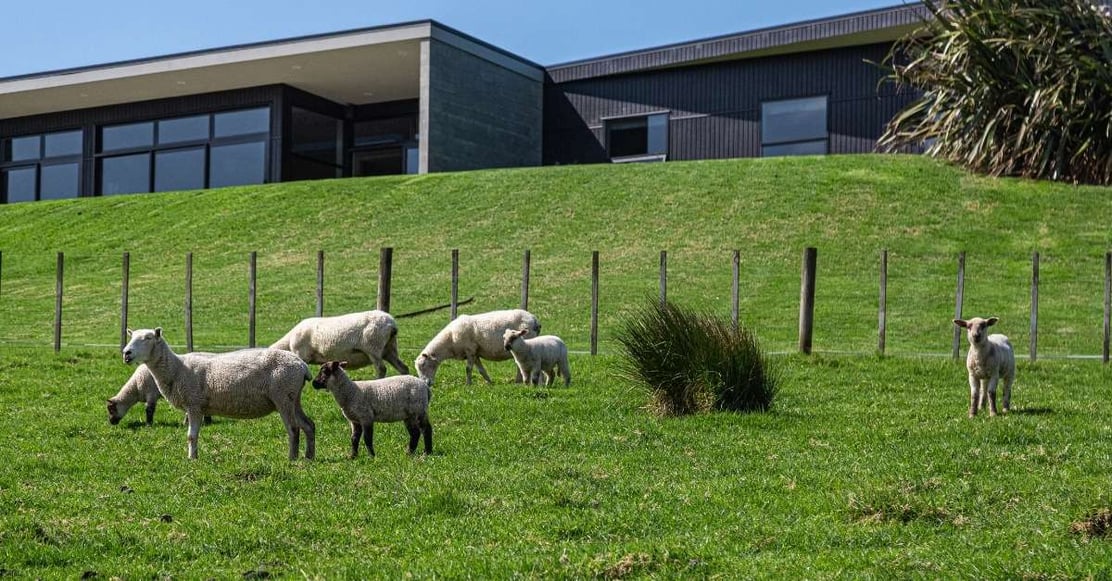
Animals are often part of the lifestyle dream, but choosing the right type, and the right number, is key.
Starting with manageable stock helps build confidence and routine. Overstocking, on the other hand, leads to pasture damage, animal health issues and unnecessary stress.
Good stock management includes:
- Rotating paddocks to allow grass to recover
- Supplementing feed in winter
- Using electric fencing to control grazing
- Selling or moving animals before they outgrow your facilities
If livestock starts to feel like more than you bargained for, leasing grazing to a local farmer can be a practical alternative that keeps land productive.
Pasture and weed control: stay ahead of it
Healthy pasture doesn’t look after itself. Let grass grow too long and quality drops; graze it too hard and weeds quickly take hold.
A simple cycle of grazing, resting and mowing keeps pasture in good shape. Mowing before grass goes to seed encourages fresh growth and limits weed spread. Soil testing every few years also helps ensure fertiliser and lime are applied where they’re actually needed.
Walking the block regularly makes it easier to catch weeds early, when they’re easiest to control.
The right tools make all the difference
You don’t need every piece of rural equipment on day one, but a few essentials will make life safer and more efficient:
- A reliable electric fence unit
- A mower or small tractor
- Safe animal handling areas
- Quality hoses, fittings and fencing tools
- Practical clothing and safety gear
Local contractors are also invaluable. For many jobs, they’re faster, safer and more cost-effective than doing it yourself.
Small upgrades that pay off every day
Some of the most effective improvements are also the simplest. Extra taps, well-gravelled gateways, easy-to-use gates, better shed lighting and automated pump systems all reduce daily effort and ongoing frustration.
These small upgrades save time, improve safety and make rural living more enjoyable over the long term.
A lifestyle, not just a larger section
A lifestyle block offers freedom, space and a strong connection to the land, but it’s more than just a house with extra paddocks. With thoughtful planning, good routines and the right support, it can be both rewarding and manageable.
From finding the right property to understanding what life looks like after settlement, LJ Hooker can help guide you through every stage of the lifestyle journey.
If you’re thinking about making the move, or already living the dream and want to get more from your land, a little preparation goes a long way.
Share